
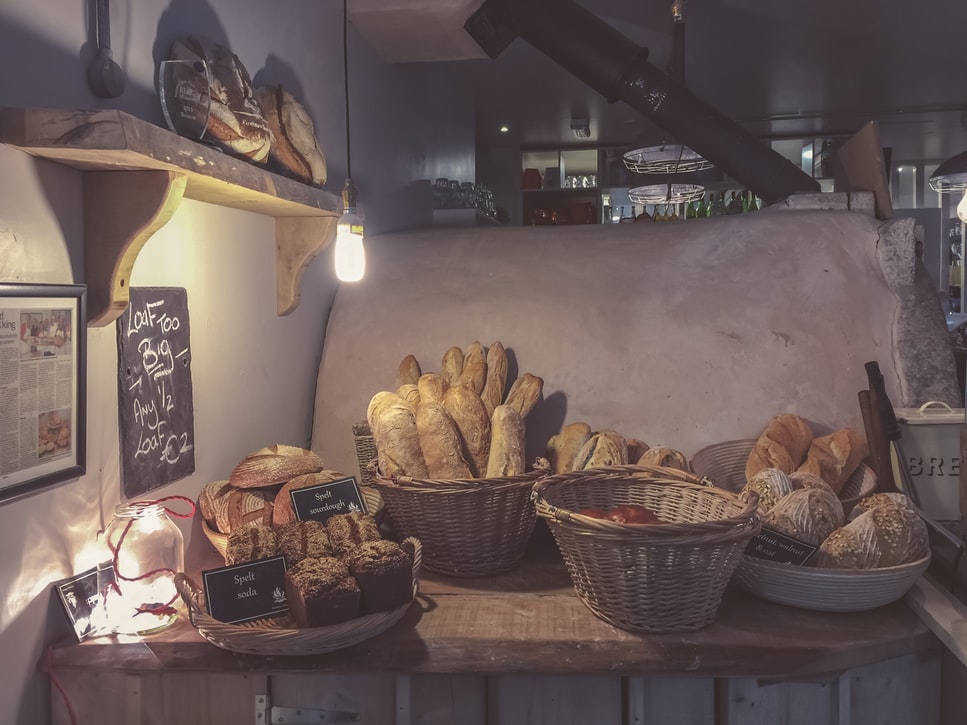
The foods you consume should be as yeast-free as possible and which contain the least sugar possible!
Cut back on yeast and start to increase your energy levels!
The small intestine is responsible for the absorption of food nutrients; when someone with celiac disease ingests foods which contain gluten, the body produces antibodies that attack the small intestine, and in particular, the Villi. The Villi are tiny hair-like projections that line the small intestine and siphon nutrients into our bloodstream. If the villi are not healthy the body is unable to absorb the proteins, carbohydrates, fats, vitamins and minerals that it needs, regardless of how much is eaten or the quality of foods.
A continual state of yeast overgrowth, with excess high sugar consumption, will leave one malnourished, low in cellular oxygen, low in energy, susceptible to infections and the body will be more inclined to waste products; which causes further inflammation and pain in the body. The liver will overwork, as it tries to process all the excess waste. Continued inflammation in the stomach will do damage to the intestinal wall, which results in food absorption being diminished.
Starchy (glutinous) foods are especially aggravating to an already inflamed immune system. These types of foods trigger hyper-immune responses causing extreme irritation and stomach spasms. The digestion of fats is difficult for the body to process too. Sugars and certain complex carbohydrates have a structure making them difficult for the digestive system to break down. These disaccharide and polysaccharide sugars are left unabsorbed in the intestine, feeding pathogenic fungus and fueling inflammatory damage to the intestinal wall.
To help your body stay strong, eat natural fats such as avocado and salmon, which are easily absorbed by the body.